Technical ownership
Translate model, infrastructure and partner requirements into a working decisioning platform.
I co-founded KarmaLife and, as Chief Product and Technology Officer, took it from zero to a 2M+ user, lender-funded platform through venture funding, Google's AI/ML Accelerator and scale. I owned product, engineering, AI/ML and cloud-native architecture end to end.
Now I work alongside founders on the decisions that are expensive to reverse: architecture, AI model and cost trade-offs, scaling, and winning enterprise or regulated customers. I connect them with the right technical resources and turn recurring blockers into product feedback that platform teams can act on.
01 / Built at scale
At KarmaLife, I owned product and technology end to end. The challenge was to make credit decisions fast, explainable and trusted enough for regulated lenders to fund them.
India's gig and blue-collar workers earn steadily but have no credit file, so bureau-based lenders reject them by default. KarmaLife built the decisioning layer to underwrite them anyway and ran straight into a deadlock on both sides.
My role: Co-Founder and Chief Product and Technology Officer. Architecture, product decisions, hiring and leadership across engineering, data science, product and risk.
Read the HyperVerge customer case study ↗Production architecture / KarmaLife
Translate model, infrastructure and partner requirements into a working decisioning platform.
Explain performance and governance in the language of lender and risk stakeholders.
Bring product, engineering, data science and risk together around partner constraints.
Influence without authority
As a technical founder, I made architecture and product decisions across very different constraints, from marketplaces and lenders to risk, investors, and my own product, engineering and data teams.
My role was to turn those competing constraints into clear architecture, product and operating decisions that everyone could support.
02 / Founder decisions
Every startup hits a handful of decisions that are hard to undo. These are three I made as a founder — the same kinds of calls I now help other founders think through.
03 / AI systems — from models to production
I stay hands-on enough to challenge architectural assumptions, prototype new approaches and have credible technical conversations with founders and engineering teams. Clear evaluation matters as much as a working demo.
Logistic regression vs. XGBoost · SHAP explainability
Compare logistic regression and XGBoost on SBA 7(a), HMDA, Freddie Mac and Fannie Mae data. Examine TreeSHAP explanations, a later-period holdout and calibration gaps rather than treating ranking performance as decision readiness.
XGBoost · 0.869 AUC
An underwriting workflow combining GPU dataframe processing, predictive models and SHAP adverse-action explanations with an LLM-generated audit-summary layer. The summary layer supports interpretation; it is distinct from the predictive model.
0.826–0.893 AUC · 4 markets
One alternative-data underwriting engine for India, Indonesia, the Philippines and the US, generating regulator-specific loss models for IFRS 9, Ind AS 109 and US CECL from config, not code.
I keep exploring new ideas through research and prototypes, testing models, architectures and AI workflows beyond production systems.
04 / Founder ecosystem
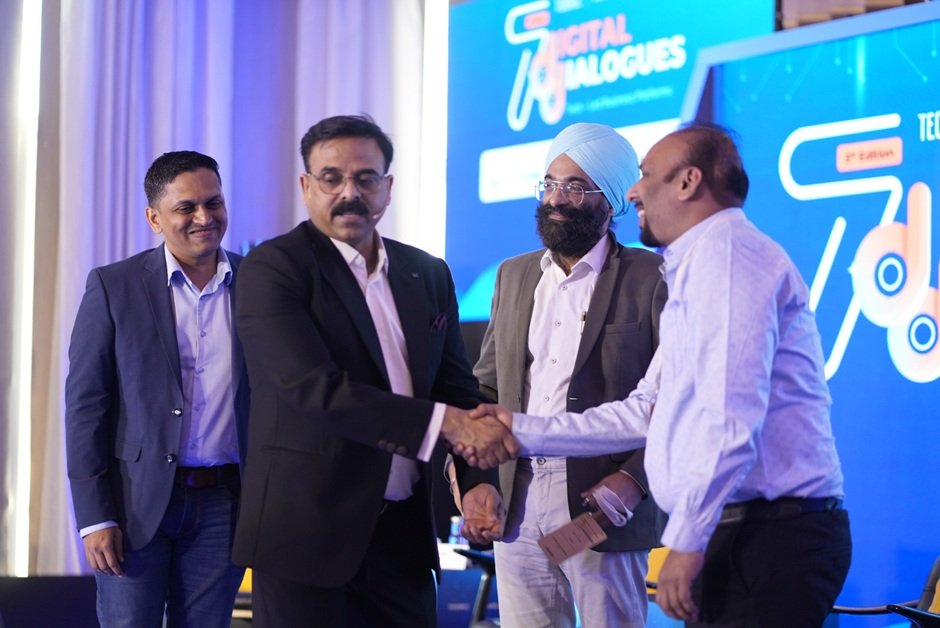
I have spent the last three-plus years mentoring founders, teaching, speaking and contributing to startup ecosystems alongside building KarmaLife.
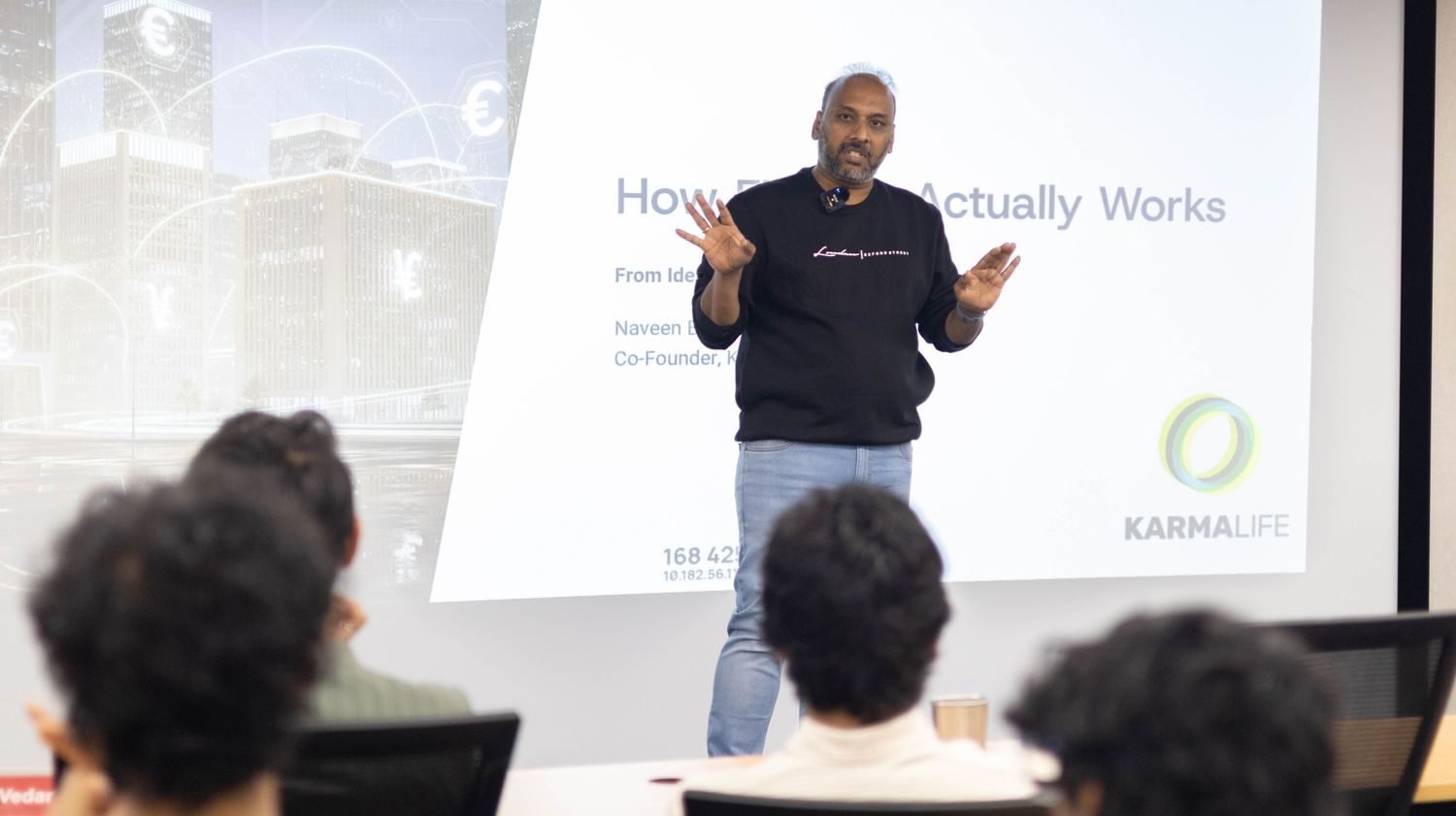
Mentor across founder-focused startup ecosystems, including IIMA Ventures office hours and Startupbootcamp's Mentor Meet Startups program, working with DeepTech & Robotics founders through 1-on-1 sessions.
Roundtable participation on cloud-driven workflow efficiency, generative AI return on investment, and harnessing generative AI for enterprise workflows.
Ecosystem discussions with Oracle, Confluent, Snowflake, Skyflow and Wiz. Judging for startup and enterprise awards.
Selected technical writing
Selected recognition
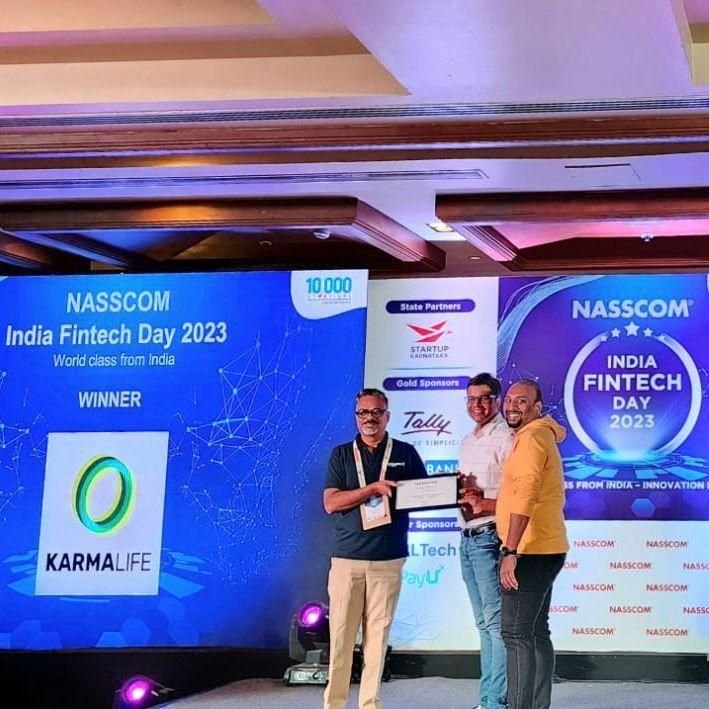
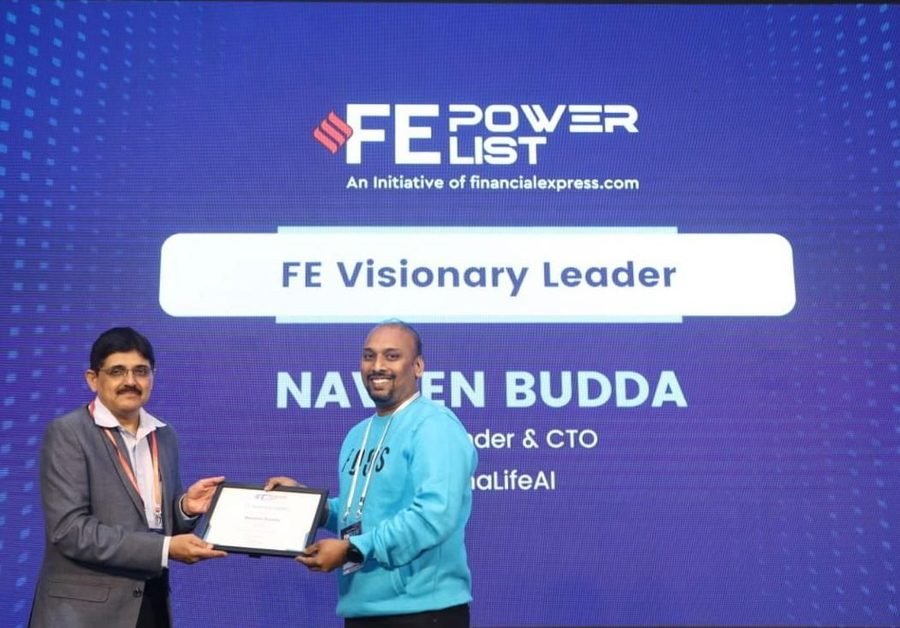
NASSCOM India Fintech Day 2023 award for KarmaLife · Financial Express "FE Visionary Leader" · World Bank CGAP pilot partner and featured case study · international patents from Samsung R&D.
05 / Founder perspective
Founders rarely need more options. They need clarity on what matters now, what can wait, and which decisions will be expensive to reverse.
Data boundaries, synchronous vs. asynchronous execution, observability, scaling and build-vs-buy — without imposing enterprise complexity before it is needed.
Where generative AI creates real workflow leverage, and how model choice, routing and caching shape cost, latency and margin as usage grows.
Where an agent should reason and where it must be constrained — tool boundaries, guardrails, human review and failure handling before it touches customers.
Turning "the demo works" into measurable quality: evaluation sets, holdouts, calibration and monitoring that tell you when a model is decision-ready.
Translating security, data, explainability and governance requirements into product and architecture choices when a bank, insurer or enterprise becomes the customer.
Preparing the architecture, data and AI story that investors, acquirers and enterprise buyers will probe — and fixing what won't hold up.
I have operated both sides of this loop — as the startup founder asking platform providers for help, and as the technical leader translating external constraints into engineering decisions.
06 / Engineering foundations
My career spans embedded systems, mobile platforms, computer vision, biometrics, applied AI and fintech. That breadth helps me connect implementation details with product and business decisions — whatever the founder is building.
Venture-backed fintech. Product and technology ownership from initial development to a platform serving 2M+ users.
Established and led applied AI and deep-tech initiatives within the tronX platform.
Built engineering teams across mobile, computer vision and Security. Contributed international patents.
Software Engineer to Team Lead in embedded systems and multimedia codecs.
07 / Startup advocacy
My approach is simple: get to the real constraint, make the trade-off clear, and bring in the right people before complexity slows the company.
Focus on the few architecture and product decisions that are difficult to reverse. Keep everything else simple until scale demands more.
Founders do not need another pitch. They need candid feedback on what will scale, what will break, and what needs to change.
I turn complex AI, architecture and infrastructure topics into practical conversations for founders, engineering teams and leadership groups.
When the same blocker keeps appearing, turn it into clear product feedback, connect the right teams, and follow it through to resolution.
How I work with founders
Peer-to-peer conversations before the architecture hardens, when advice is cheapest to act on.
Separate the problem the founder describes from the one that will actually block growth.
Programs, credits, technical experts, partners and investors — matched to the stage, not the pitch.
Turn recurring questions into workshops, talks and reference patterns many founders can use.
Carry founder evidence to product and engineering teams, and follow it through to a fix.
From the founder's side of the table
As a founder, I was the customer of cloud, AI and data platforms. These are the gaps I felt most — and the ones I hear repeatedly from founders I mentor.
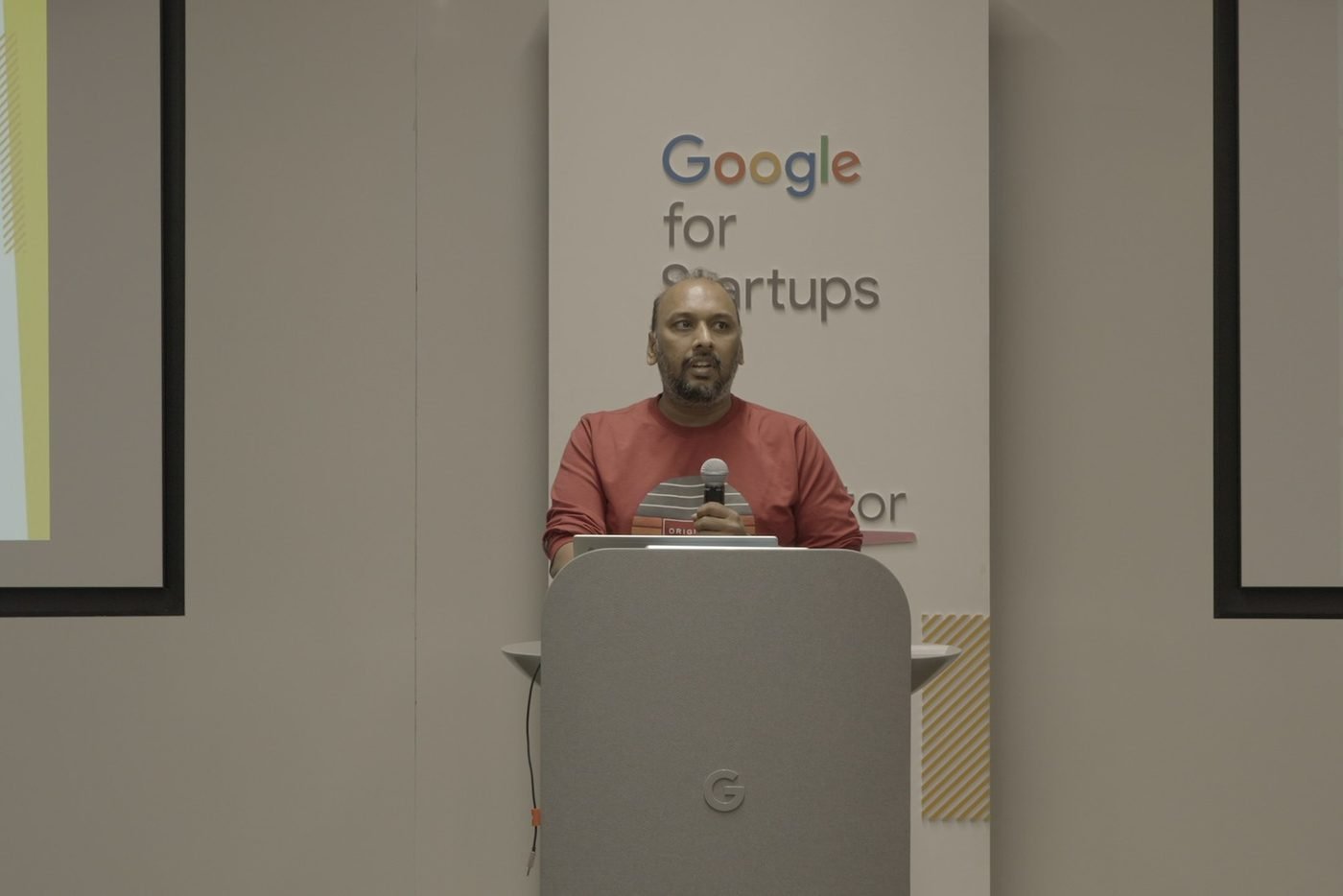
Google selected KarmaLife for its AI/ML Accelerator, one of 20 startups chosen from more than 1,050 applications.
Read Google's cohort announcement ↗